March 17thA Journey of Remembrance
In the aftermath of the recent power outage in Pimicikamak Cree Nation on the shores of Cross Lake, with frozen water and sewage systems requiring long-term work to make homes livable again, Jackson Osborne joined others in evacuating the community. This has turned into a journey of remembrance for Jackson which has brought wider awareness to the plight of his people—and taken a personal turn for himself.
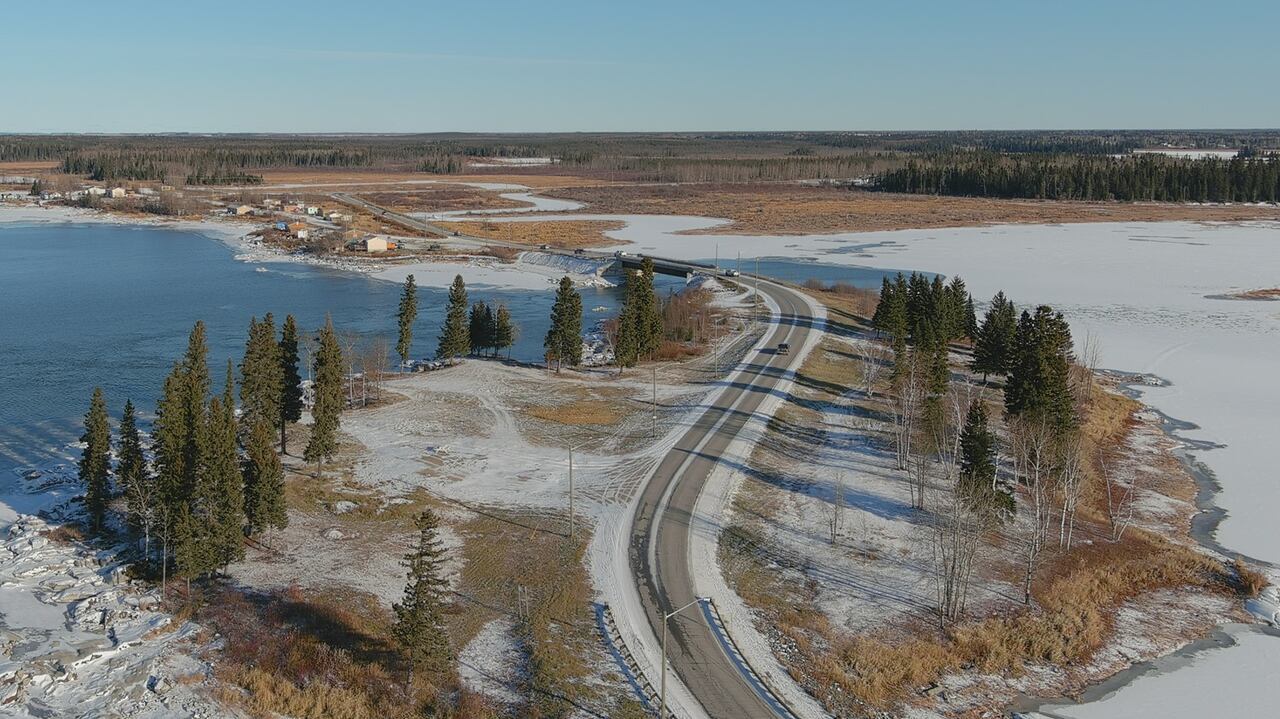
Jackson’s late father, who worked for Manitoba Hydro, first started documenting changes to shorelines, and Jackson has carried on this work, taking pictures and recording video. The community continues to suffer the long-term impacts of the Jenpeg dam, completed in 1979. The dam creates fluctuating water levels, which does not allow the ecosystem to normalize. Jackson is one of many who lament the loss of traditional fishing, hunting, and trapping that allowed the community to provide for themselves.
Jackson’s time away from Pimicikamak has brought him into contact with Mennonites in various ways. He spent time at the Mennonite Heritage Archives in Winnipeg, going through records of Mennonite engagement with the people of Pimicikamak. This includes the formation of the Living Word Church, a member congregation of Mennonite Church Manitoba. In the process, Jackson found pictures of his father, as well as Otto Hamm, Jackson’s old Sunday school teacher, prompting many memories.
Jackson has also met with representatives from at least four different MCM congregations—Hope, River East, Charleswood, and Fort Garry—in various meetings organized by the Mennonite Coalition for Indigenous Solidarity, a Mennonite Church Manitoba working group co-organized with MCC Manitoba.
Pat Gerber-Pauls (Fort Garry) was one of those who participated in these meetings. “The urgency with which [Jackson and others] spoke impressed me,” she says. “We learned how the Hydro development has raised mercury levels in fish, which has caused the need to travel further north to find food that is not poisonous. Not everyone can do that, so some people eat poisonous fish anyway. There was a lot to take in—it was overwhelming.” Not all of Jackson’s time away from Pimicikamak has been digging through archives and raising awareness. He also took time to join people from Matheson Island, Altona Mennonite, and Altona Bergthaler for an afternoon of bowling (see image, and story from March 2).
Let’s continue to learn about the impact of Manitoba Hydro development in the north, along with other provincial and federal government policies and actions affecting Indigenous communities, and how we can support our siblings in Christ and others who live in these communities. To support the work of MCM and MC Canada Indigenous solidarity and reconciliation work financially, see www.mennochurch.mb.ca/giving.